✨ Don’t be so hard on yourself. It is harder to get pregnant than we actually are educated about. You are doing everything that you can.
✨ Please take care of YOU. You can get sooo caught up with the appointments, unsolicited advice, medications, research, etc that you forget about YOU.
✨ Find a fertility clinic that HEARS you.
✨ Do NOT ask “when are you having kids?” Or offer unsolicited advice.
✨ Be there for the person. Gift a coffee date. Spa date.
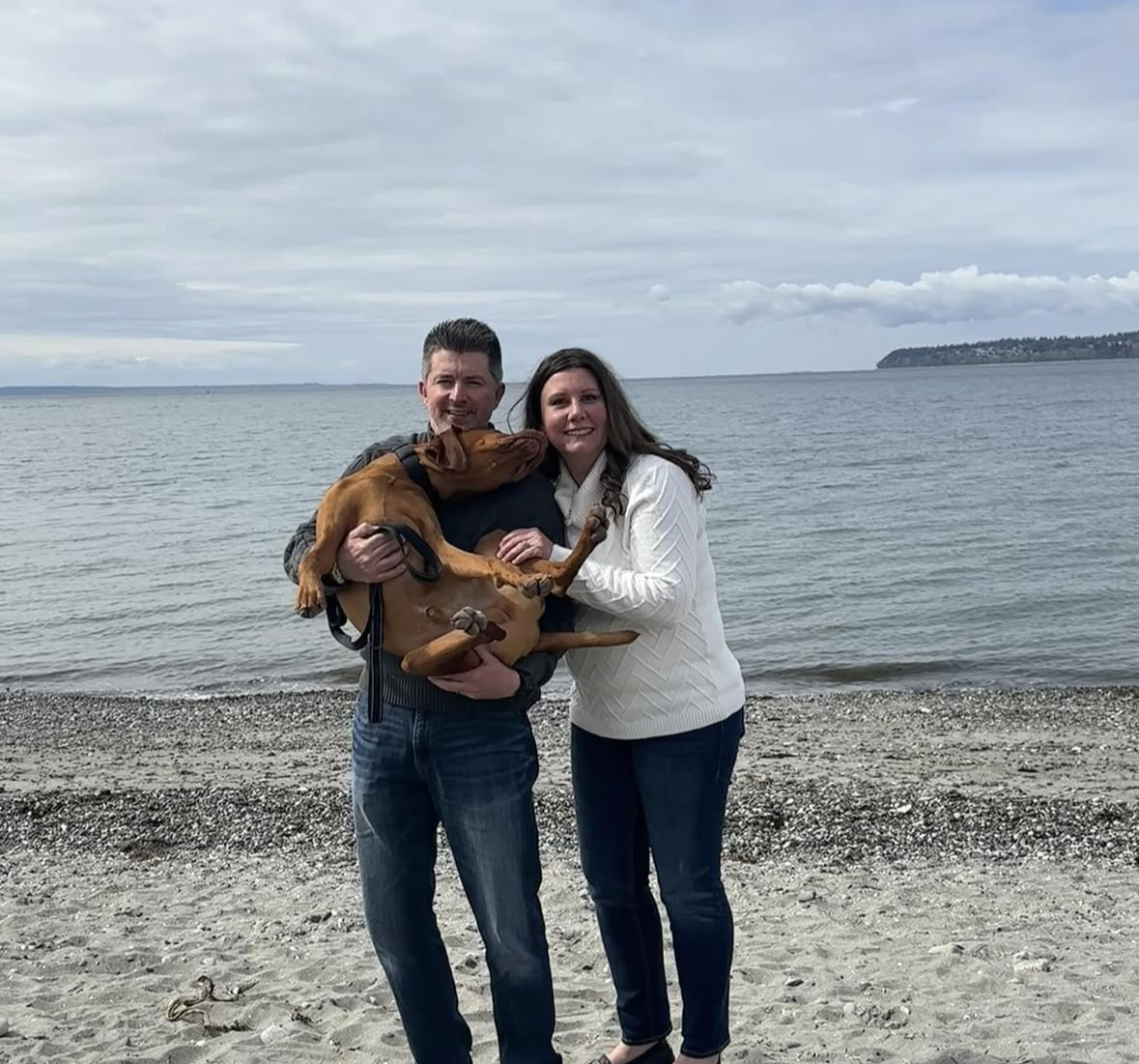
Meet Sarah
Steelheart
Steelheart reflects both strength and softness, forged slowly through unimaginable loss, perseverance, and love. Like steel shaped under extreme conditions, Sarah endured heartbreak after heartbreak — yet her capacity to love went untarnished and she continued forward with courage and tenderness intact. Steelheart reflects that rare kind of strength and emotional bravery: not the absence of grief, but the ability to keep loving deeply in spite of it.
Built by Love, Shaped by Loss
For nearly six years, Sarah carried the invisible weight of longing to bring home a baby. From the outside, her journey may have looked like appointments, medications, and procedures. But beneath it all was a woman learning how to survive heartbreak while still holding onto hope.
Her path to motherhood began with two natural pregnancies, both ending in miscarriages before nine weeks. Each loss brought grief that was difficult to explain. Like many navigating infertility, Sarah found herself asking difficult questions, wondering what she could have done differently, and carrying guilt that never truly belonged to her.
Over the years, she sought answers through three fertility clinics, medicated cycles, and two IUIs. Eventually, she and her husband turned to donor eggs. Four embryos were created, each one carrying its own fragile hope. Their first transfer was successful, and for a moment, it felt like the years of waiting had finally led them to the life they had dreamed about. But at 18 weeks pregnant, Sarah’s water unexpectedly broke. Their son was born at just 24 weeks and 3 days gestation. He fought bravely for 19 days before passing away from NEC.
No parent is ever prepared for that kind of loss. In the middle of unimaginable grief, Sarah was told she shouldn’t carry a baby again. The diagnosis was devastating — not only mourning her son, but mourning a future she thought she could have.
And yet, even in the darkest season, people showed up for her in extraordinary ways. A co-worker and wife of Sarah’s husband (someone she had never even met!) offered to become their surrogate, giving them hope for a baby. They endured two transfer cycles together, and while the second resulted in pregnancy, it too ended in miscarriage. From there, she sought one more opinion from a new maternal-fetal medicine specialist. After carefully reviewing her history, she was told something she never expected to hear again: she could safely carry a pregnancy herself.
With cautious hope, Sarah transferred her last remaining embryo. After years of loss, uncertainty, procedures, waiting rooms, and grief, that embryo became the baby boy she carried to 36 weeks and finally brought home.
Her story is not one of “perfect endings” or easy victories. It is a story of resilience. Of learning to keep living while grieving. Of discovering that hope can coexist with fear. Of realizing that infertility changes you, but it does not define your worth.
Today, one of the biggest lessons Sarah shares with others navigating infertility is this: do not be so hard on yourself. So many people grow up believing pregnancy happens quickly and easily, only to feel blindsided when it doesn’t. Infertility can make people feel like their bodies have failed them, but Sarah wants others to know they are already doing everything they can.
She also encourages people to remember themselves in the process. Fertility treatments can quickly consume every part of life — appointments, medications, research, financial stress, and constant emotional highs and lows. Somewhere in the middle of all of it, it becomes easy to forget your own well-being. Sarah learned the importance of caring for herself too: protecting her peace, resting when needed, and leaning into support systems that made her feel seen.
For Sarah, healing came not only through medicine, but through finding providers who truly listened. She found comfort in supportive fertility specialists, maternal-fetal medicine doctors, naturopaths, acupuncturists, and an online infertility community that reminded her she was never as alone as she felt.
And for those supporting someone through infertility, Sarah gently offers this reminder: presence matters more than advice. Instead of asking, “When are you having kids?” or offering solutions no one asked for, show up with compassion. Invite them for coffee. Plan a spa day. Sit beside them without trying to fix their pain.
Because sometimes the greatest gift you can give someone in the middle of infertility is simply helping them feel less alone.
Gems for the journey
Release the self-blame and expectations around “easy” conception
One of the most painful parts of infertility is feeling like you’re failing at something that’s often assumed to be simple. Sarah’s journey is a reminder that fertility is medically and emotionally complex, and difficulty conceiving is far more common than most people are taught. You are not doing anything wrong by being in this process.
Protect your sense of self outside of treatment
Fertility journeys can quietly take over every part of life — appointments, research, tracking, procedures, and constant emotional cycling. Sarah’s experience shows the importance of intentionally caring for yourself outside of medical steps: rest, joy, connection, and boundaries matter just as much as protocols and plans.
Find support systems that truly hear you — and lean on them
Healing came not only through medical care, but through providers and communities who listened, validated, and supported her whole experience. Whether it’s a fertility clinic that respects your voice, integrative care (like acupuncture or naturopathy), or online infertility communities, being understood can make the journey feel less isolating.